
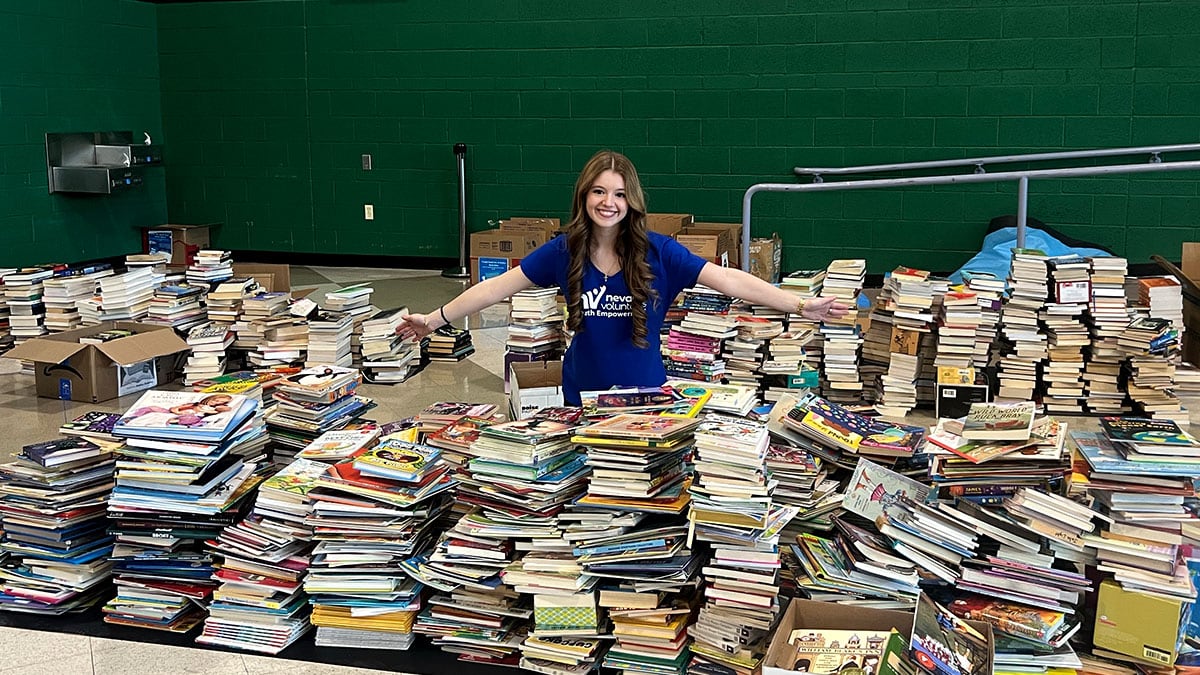
Before there was a proclamation from the City of Las Vegas, before a FOX5 appearance, and before thousands of donated books had to be packed into cars and hauled out to partner organizations, there were book boxes sitting in classrooms and a student trying to get a lot of moving parts to line up.
That student was Sophia Booth.
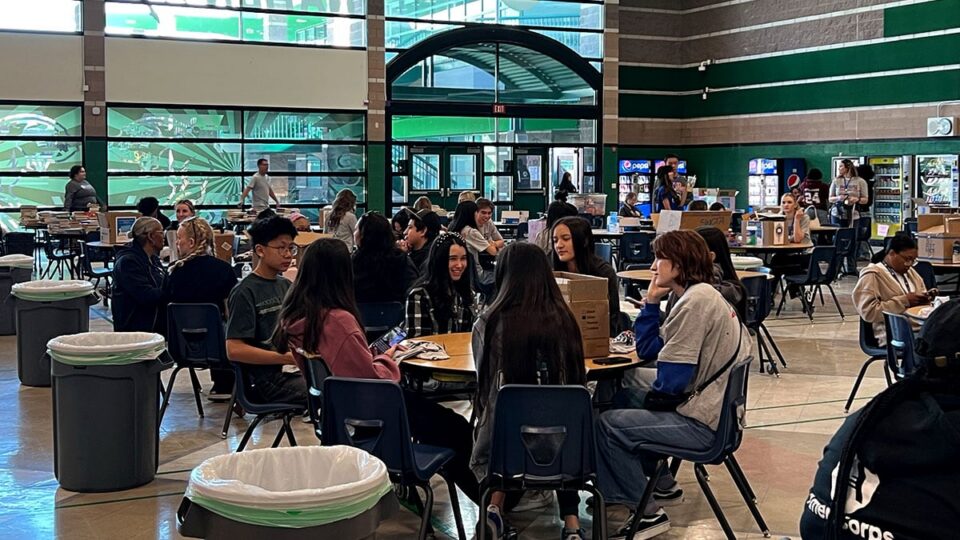
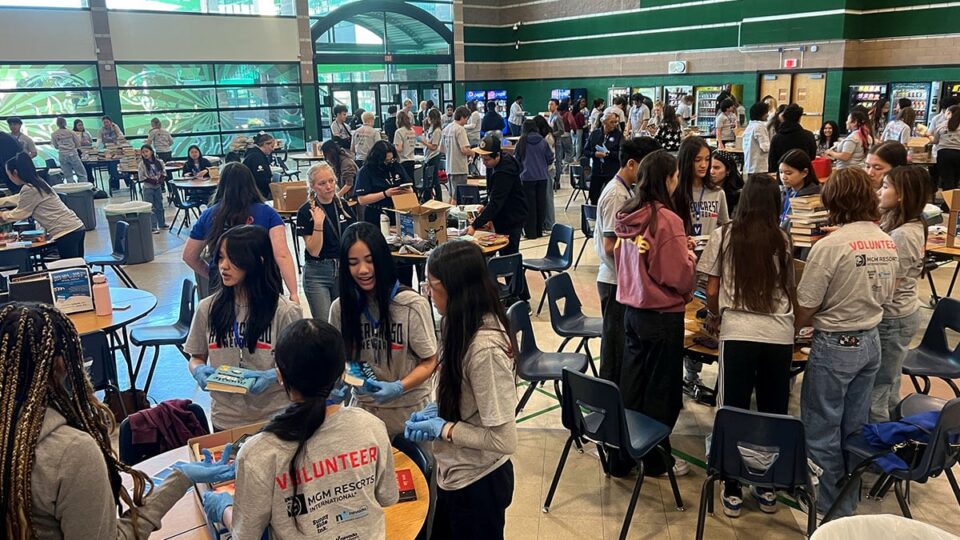
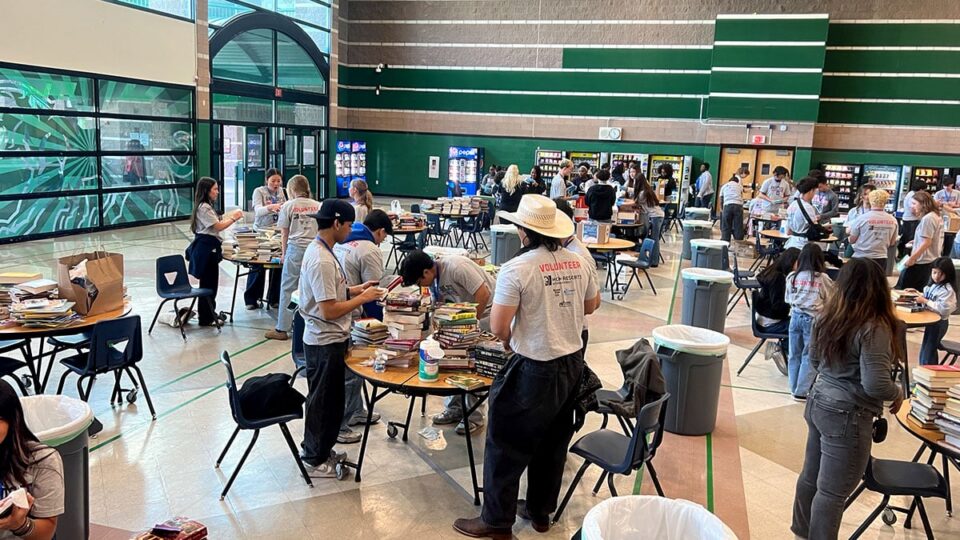
I was at Nevada Youth Day of Service, and what stood out right away was that this did not feel like a symbolic student event put together for a few photos and a nice recap afterward. It felt organized from the inside out. There was movement, purpose, and enough people doing real work that the scale of it hit before the final numbers ever did.
Booth is a Las Vegas native, a Silverado High School student, the founder of Girls Together, and one of those local young leaders whose story gets more interesting the longer you stay with it. At first glance, it looks like a profile about an ambitious student with a strong résumé. Look closer, and it starts to read differently. This is really a story about organization. About scale. About what happens when someone young stops thinking in terms of one club, one campus, or one nice event and starts building something other people can actually plug into.
That is what makes Booth worth writing about right now. Not because she has promise. Because she already has momentum.
Nevada Youth Day of Service Put Real Numbers Behind the Work
The easiest way into Booth’s story is Nevada Youth Day of Service, because it gives the work shape.
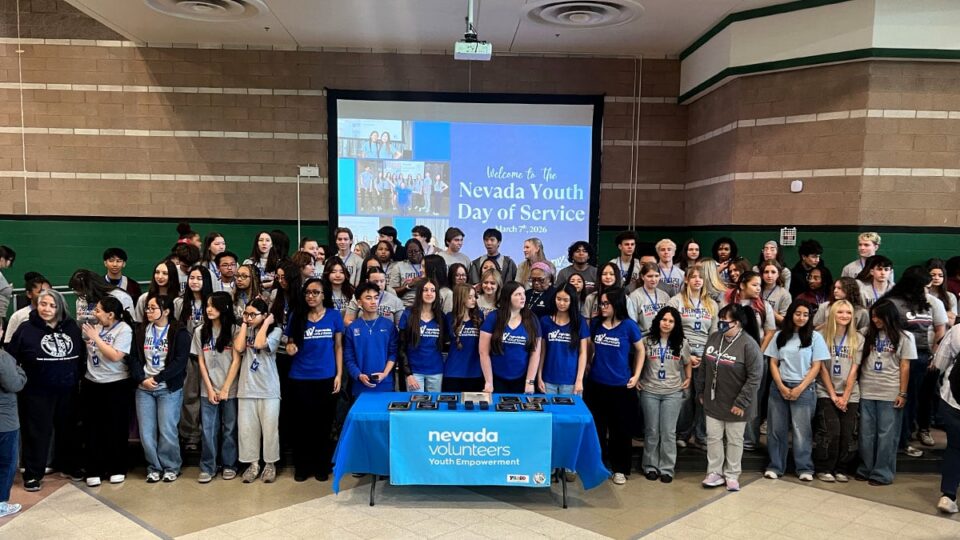
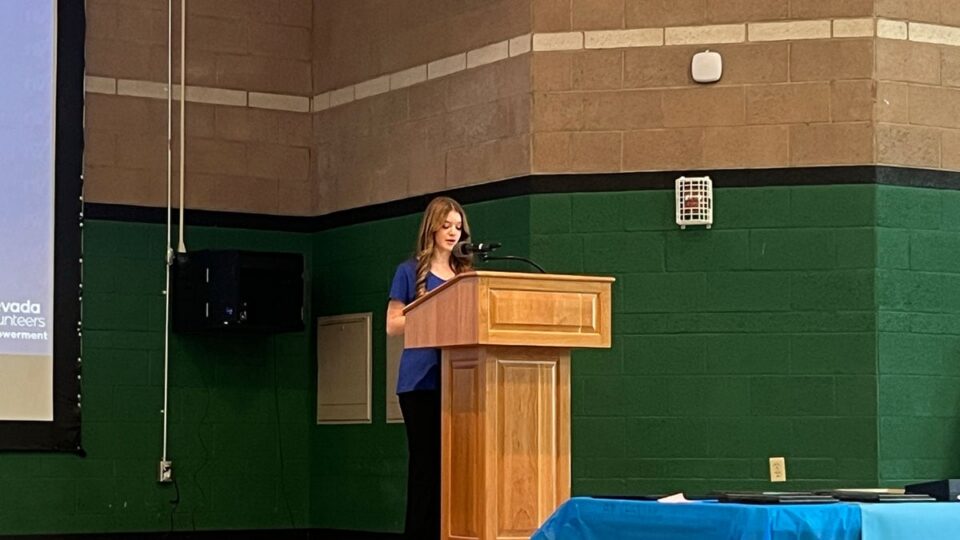
According to Booth, the event brought together more than 200 attendees, more than 20 high schools and organizations, more than 350 volunteers involved in planning and collection, and more than 4,000 books that were ultimately donated. Public event listings described it as the first-ever Nevada Youth Day of Service, a statewide, youth-led initiative centered on collecting, sorting, and preparing donated books for youth-serving nonprofits during Nevada Reading Week.
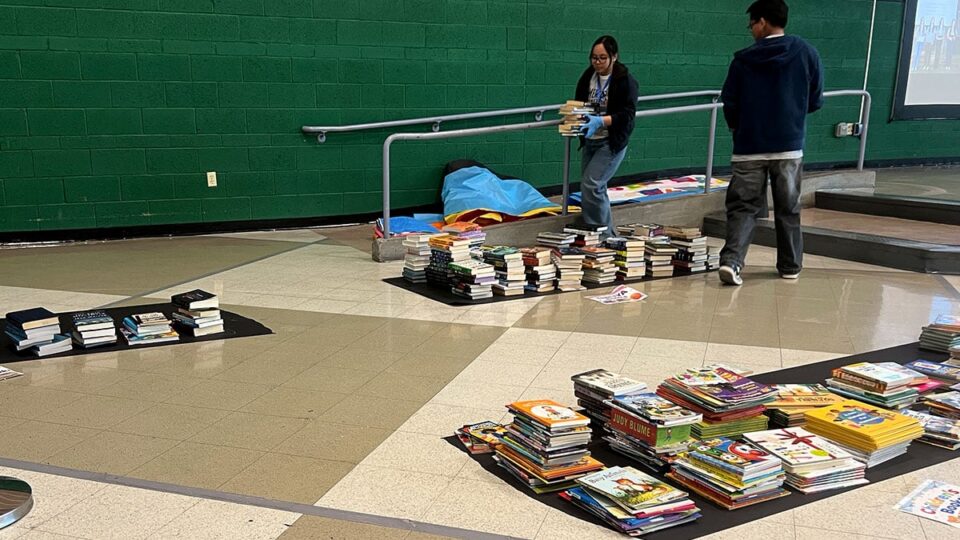
Those numbers matter on their own, but they land differently when you have actually been in the room. They stop feeling like summary language and start feeling like evidence. Evidence that classrooms bought in. Evidence that students showed up. Evidence that adults opened doors. Evidence that nonprofits trusted the process. Evidence that someone had done enough work beforehand to make the event feel real before it ever officially started.
That was probably the strongest part of it in person. Not just that it happened, but that it felt structured. It felt like the kind of event people had been counting on, not just dropping by.
A lot of community-service stories stall out at “good idea.” This one made it to execution.
She Didn’t Build This Around One Day
Youth Day of Service is the headline. It is not the whole story.
Booth’s broader body of work suggests she is trying to build something more durable than a one-day volunteer event. Through Girls Together, she has tied her name to leadership programming, donation drives, community partnerships, and advocacy around period poverty. The organization describes itself as a Nevada-based 501(c)(3) focused on empowering girls and women by combating period poverty, fostering leadership, and creating equitable opportunities through service programs, local chapters, advocacy, and resource distribution.
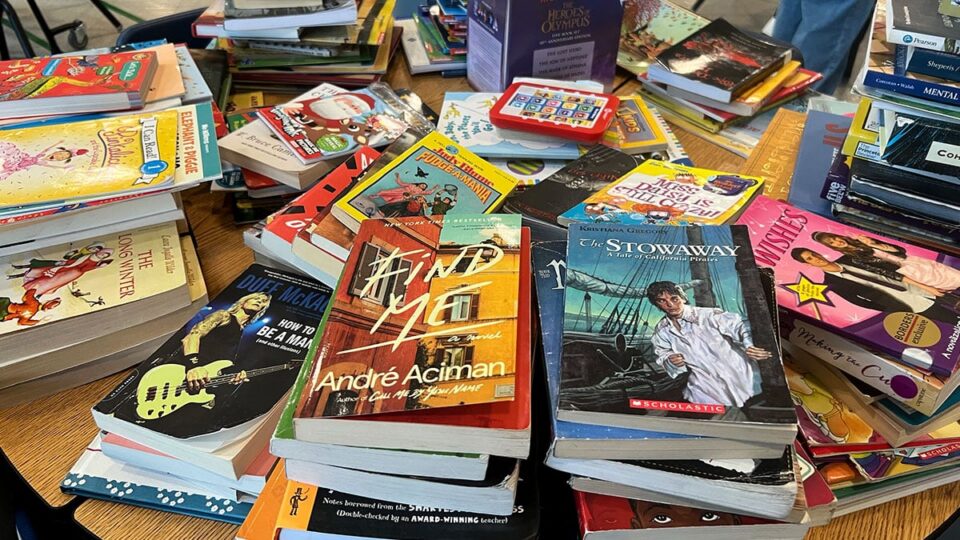
That mission could have stayed vague. It didn’t. Girls Together has already built a public timeline around actual activity: a book drive, a clothing drive, a toy drive, chapter growth, and policy-facing advocacy.
That distinction matters. There are plenty of student-led initiatives that look polished online and never really leave the announcement stage. Girls Together already has the footprint of something Booth intends to keep growing.
And being there in person only made that easier to believe. The event did not feel like a résumé-builder. It felt like an extension of work that had already been happening.
Girls Together Is Bigger Than a School Project
The strongest thing about Girls Together is that it has range without feeling scattered.
On its official site, the organization lays out a mission that includes ending period poverty, inspiring leadership among K–12 girls and students, collaborating with organizations that support women, and advocating for policy change affecting girls and women. It also frames that work around practical community action instead of generic inspiration language.
Its public timeline fills in the rest. Girls Together says it opened the first Project Pink chapter in Las Vegas, hosted a book drive that collected more than 200 books valued at more than $3,000 for a women’s domestic violence shelter, organized a clothing drive that donated more than $4,000 worth of clothing, and later held a toy drive with four high schools that brought in more than $5,000 worth of toys.
That is not just a nice list of student activities. It shows a pattern. Booth keeps building projects that bring other people in.
The Period Poverty Campaign Gives the Story More Edge
This is also where Booth’s story gets sharper.
Girls Together is not only organizing drives and partnerships. It is also publicly centering period poverty and pushing for change inside school systems. Its homepage places “End Period Poverty in CCSD” at the center of the organization’s public-facing mission, and its about page makes policy advocacy part of the core work.
That gives the story more substance than a standard youth-volunteer profile. It means Booth is not only interested in collecting resources and distributing them. She is also looking at systems, asking where they are falling short, and trying to build pressure around a fix.
That kind of work is harder to package and a lot harder to sustain. It also tends to last longer.
Nevada Volunteers Gave the Work a Statewide Lane
One reason Booth’s story reaches past Silverado is the Nevada Volunteers connection.
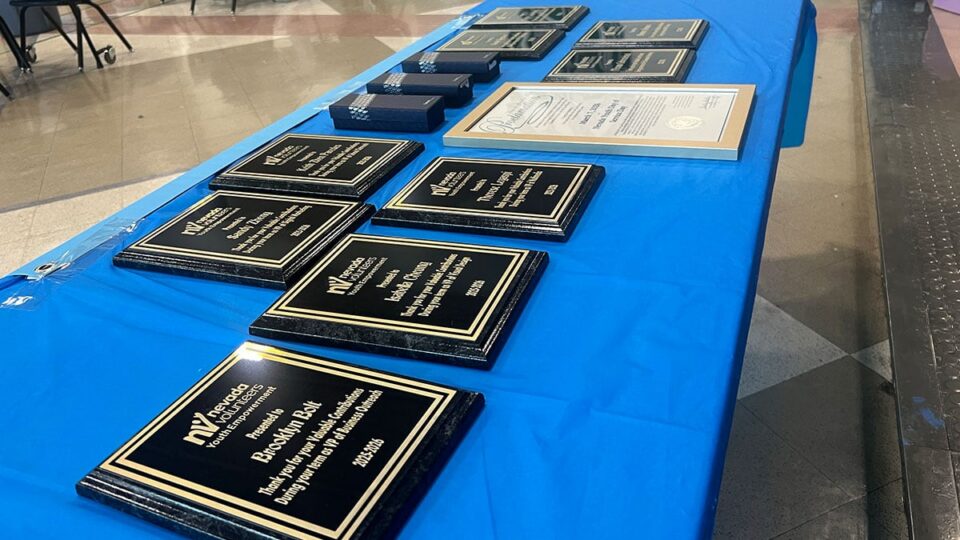
Nevada Volunteers is not a random partner name tossed into a press line. The organization describes itself as the statewide service structure that administers AmeriCorps funding in Nevada, strengthens volunteer infrastructure across the state, and supports recognition for service. In other words, it already sits at the intersection of civic engagement, public service, and scalable volunteer work.
That gives Booth’s public role a different kind of weight. She is not just operating inside school leadership circles. She is connected to an existing statewide framework for service.
And that also makes Nevada Volunteers a strong story in its own right. If the organization is helping create lanes for young people to lead, organize, and build service projects at a statewide level, that is exactly the kind of local infrastructure story that deserves more oxygen than it usually gets.
Spread the Word Nevada Turned the Book Drive Into Real Impact
The 4,000-book number lands harder because the books had a real destination.
Spread the Word Nevada is not just a place to drop off donations and hope for the best. The organization says it has distributed more than 8 million books since 2001, serves roughly 70,000 books each month, has reached more than 1.5 million children, and supports 81 adopted Nevada elementary schools.
That matters for Booth’s story because it ties Youth Day of Service to an organization with actual reach and systems behind it. This was not thousands of books collected for the sake of a good headline. It was a large youth-led effort feeding into a literacy nonprofit that already knows how to move books into homes, classrooms, and communities where they are needed.
Spread the Word Nevada also feels like an obvious next feature for Everyday.Vegas. It has scale, local relevance, a clear mission, and the kind of community-facing impact that translates well both editorially and commercially.
Peggy’s Attic Shows the Work Reaches Beyond One Cause
Booth’s work also connects to foster-care support, and that widens the story in a useful way.
Silverado’s student paper reported that Booth helped lead the Holiday Heroes Toy Drive alongside other student leaders, gathering more than 50 youth volunteers and collecting more than 500 toys for Peggy’s Attic. That same coverage tied the effort to a broader coalition that included Project Pink, Girls Together, Liberty High School, Northwest Career and Technical Academy, Coral Academy of Science, and other student groups.
Peggy’s Attic, for its part, is a Clark County resource that helps provide care packages, clothing, personal care items, and other essentials for children entering foster care, many of whom arrive with few or no personal belongings. Clark County says the program supports babies, children, teens, and sibling groups moving through initial placement and relies on community donations and volunteers.
That gives Booth’s story another layer. Literacy matters. Period equity matters. Foster support matters. The throughline is not one single issue. The throughline is Booth’s instinct for practical community work and her ability to build partnerships around it.
Peggy’s Attic is also the kind of organization most people do not think about until they hear what it actually does. That alone makes it a strong candidate for a standalone story later.
The School Coalition Around Her May Be the Real Story
Booth’s story is strongest when you stop looking at her as a solo standout and start looking at the network around her.
Silverado coverage places her inside a larger student-led coalition involving SkillsUSA, Project Pink, Key Club, Girls Together, Liberty High, NWCTA, and Coral Academy of Science. That same reporting notes that Booth, Lucas Pfahler, and Kara Silver helped lead the Holiday Heroes effort and quotes Booth on how those collaborations helped build both service impact and club growth.
That may be the most interesting part of all this.
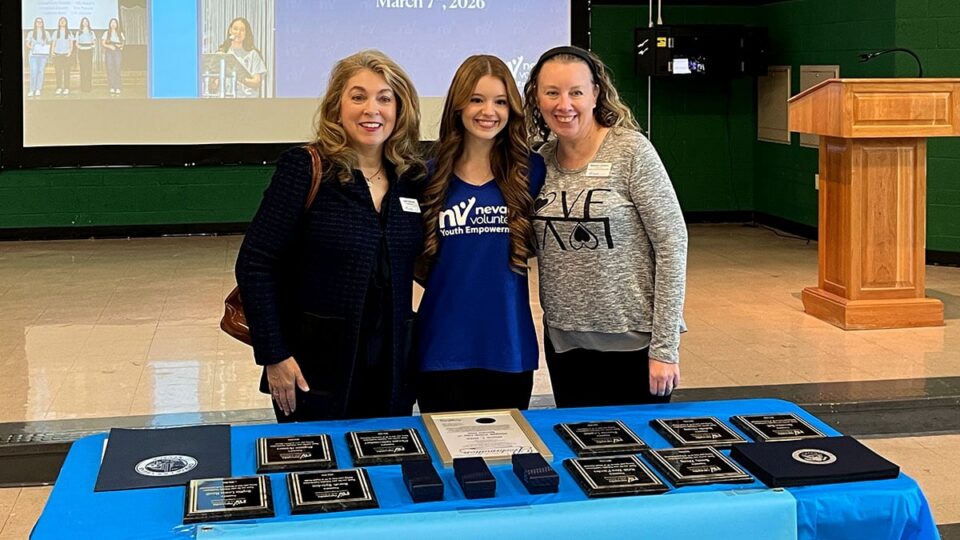
Plenty of students can lead their own project. Fewer can get multiple schools, clubs, and partner organizations moving in the same direction. That kind of coalition-building is tedious, unglamorous, and usually invisible to anyone who only sees the final photo. It is also where real civic work lives.
Booth’s public record in SkillsUSA adds another piece to that. Silverado’s student paper says she won a gold medal in customer service at the Nevada State competition. Nevada SkillsUSA, more broadly, describes its mission around leadership, teamwork, communication, professionalism, and career readiness, which makes that part of her profile feel pretty consistent with the organizing work she is doing elsewhere.
This Feels Like the Beginning, Not the Peak
Booth has said she hopes Nevada Youth Day of Service becomes an annual tradition. Based on the turnout, the partner support, the book collection, and the structure already visible around the event, that does not sound unrealistic.
And that’s where this story ends — because Sophia Booth is clearly not done writing it.









TALK TO THE AUTHOR
If you’ve spotted something we missed, found a typo, or have any suggestions,
we’d love to hear from you!