

A drive northeast from Las Vegas brings you into Overton and the Moapa Valley, where open desert, farmland, and layers of Southern Nevada history replace the pace of the city. On our visit, one stop stood out as the place that tied much of that history together: the Lost City Museum.
The museum is not large, but it holds an impressive story. Inside are archaeological artifacts, historic galleries, and an actual archaeological site, while outside, reconstructed pueblos and a Native American pit house help put the exhibits into a physical setting. For anyone curious about what this region looked like long before modern Las Vegas, it is an easy place to spend an hour or two slowing down and looking closer.
From the Boulder Dam Park Museum to the Lost City Museum
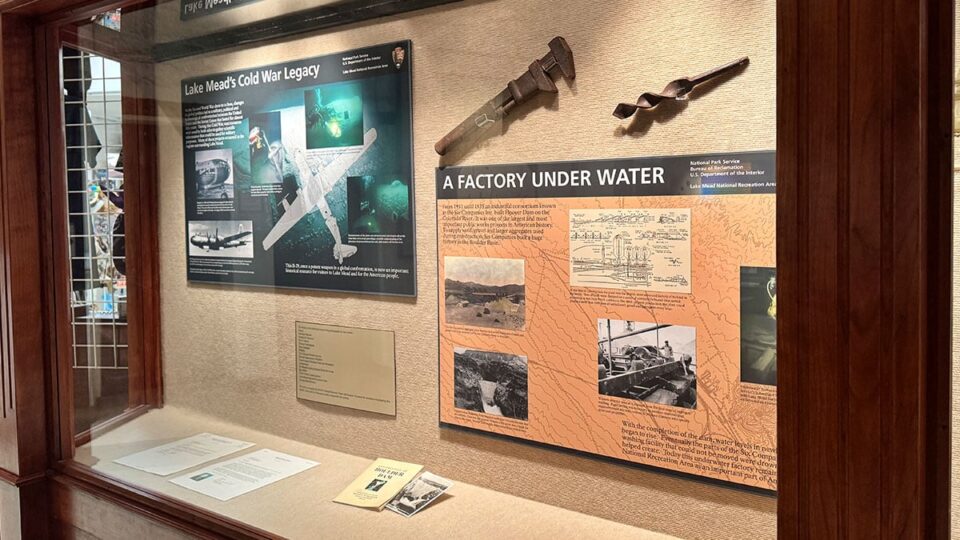
The museum dates to 1935, when members of the Civilian Conservation Corps constructed what was then called the Boulder Dam Park Museum. The National Park Service created it to display artifacts recovered from prehistoric archaeological sites in the region, many of which would be affected by the rising waters created when the Colorado River was dammed to form Lake Mead.
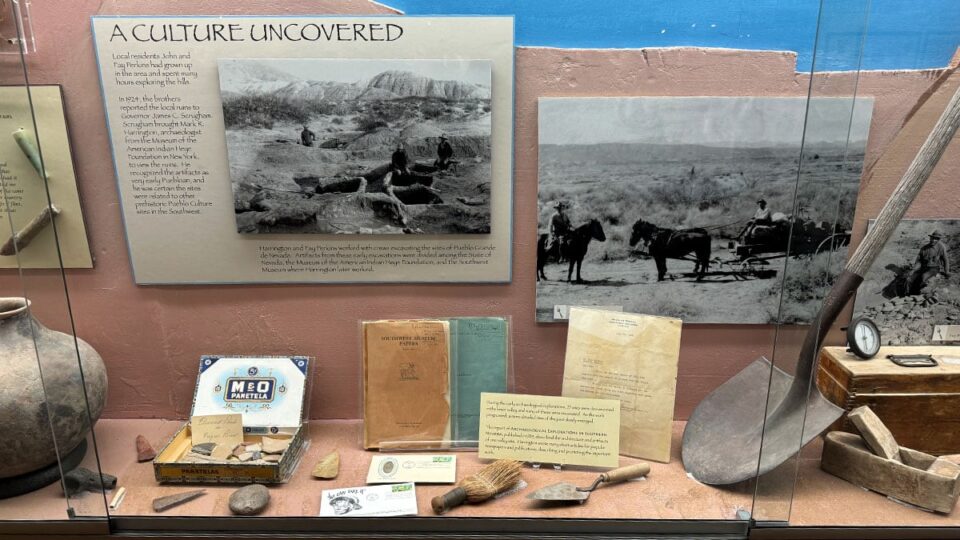
The story began even earlier. In 1924, Overton brothers Fay and John Perkins brought the area’s archaeological remains to the attention of Nevada Governor James Scrugham. Scrugham then enlisted archaeologist M.R. Harrington, who was associated with the Museum of the American Indian, to investigate the sites.
Harrington called the archaeological area Pueblo Grande de Nevada. Excavations began in 1924 and continued periodically through 1938. As discoveries attracted public attention during the 1920s, newspapers picked up the more dramatic nickname “Lost City,” which eventually became attached to the museum itself.
In the mid-1950s, the National Park Service transferred the museum to the State of Nevada and its name changed to the Lost City Museum. Today, it is one of seven state museums managed within Nevada’s museum system, and the historic Boulder Dam Park Museum property is listed on the National Register of Historic Places.
The CCC connection also makes an interesting pairing with a trip through Valley of Fire State Park, where CCC-built structures remain part of another nearby Southern Nevada landscape.
Artifacts and Archaeology Inside the Museum
Walking through the museum, we found three main exhibition galleries, each adding another piece to the story of the Moapa Valley and the people who lived here long before modern settlement.
Pottery immediately caught our attention. Painted bowls, fragments, tools, and other objects make daily life feel less abstract because you are looking at items that were actually recovered from archaeological sites in the surrounding region.
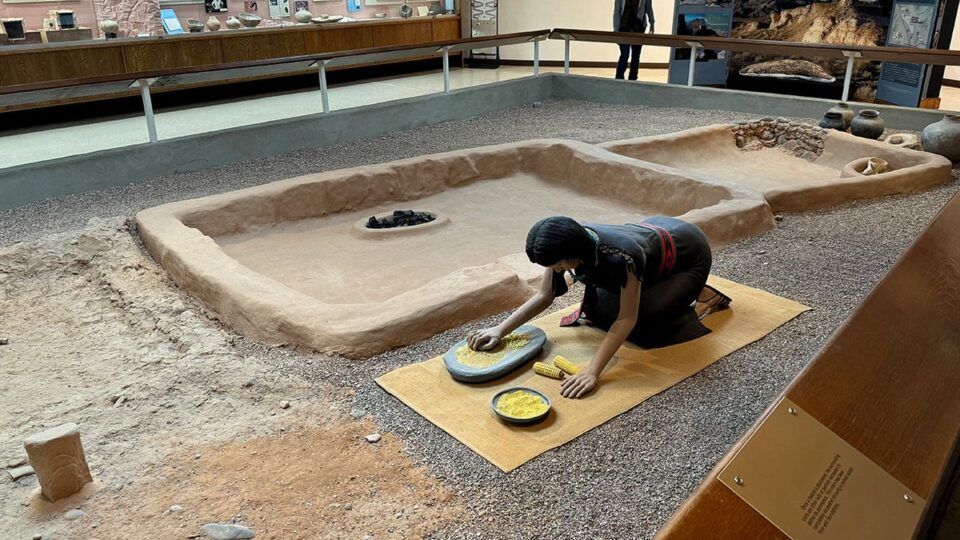
One of the most interesting parts of the museum is found in the Fay Perkins 1981 Gallery. Rather than simply displaying objects removed from their original setting, the center of this gallery contains an actual archaeological site incorporated into the museum.
That changes the experience. Instead of seeing archaeology only through a display case, you can look directly into a place where excavation and preservation meet.
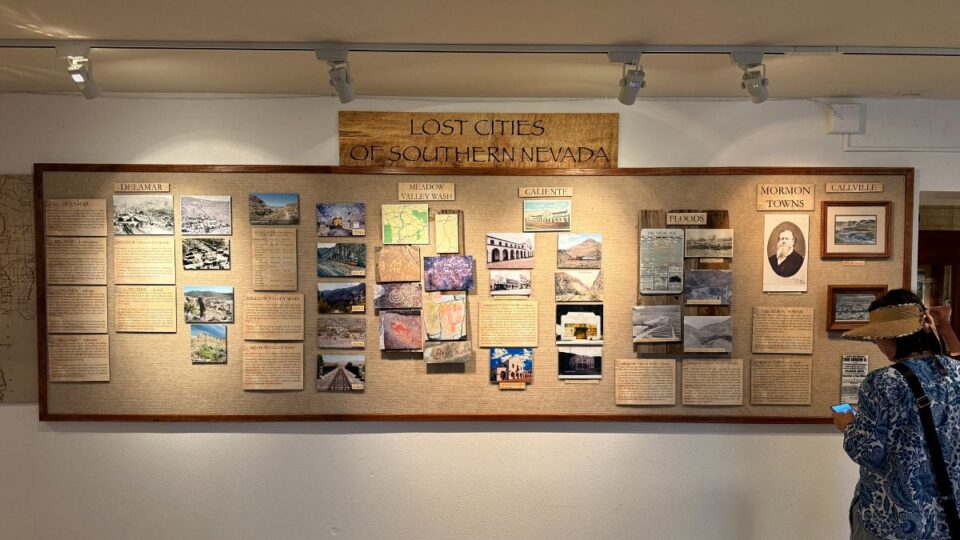
The museum’s permanent exhibits also explore broader changes in Southern Nevada, connecting archaeology with the landscapes and communities that developed around the Moapa Valley and Lake Mead.
Stepping Outside to the Reconstructed Pueblos
The experience continues outside with reconstructed pueblos and a Native American pit house. Walking around them provides another way to understand the building forms represented in the museum’s collections and archaeological interpretation.

It is a small outdoor section, but it helps connect the artifacts indoors with the places where people actually lived. That relationship between landscape and archaeology is part of what makes the Lost City Museum more memorable than simply walking through cases of historic objects.
If ancient landscapes and rock art are what draw you in, another worthwhile Southern Nevada experience is the Sloan Canyon Petroglyph Trail, where the history remains outdoors across the desert itself.

The Research Library and Screening Room
The Lost City Museum also maintains a small research library and screening room. They are quieter parts of the museum, but their presence reinforces that this is more than a roadside collection. The museum continues to serve as a place for archaeological research, interpretation, education, and preservation.
We enjoyed that the museum does not feel overly polished or computerized. There is still a traditional museum quality to much of the experience, and in this setting, it works. You are spending time with objects, photographs, excavated spaces, and the history behind them rather than moving from one digital interaction to another.
Preserving a Different Side of Southern Nevada
For a region so often associated with its recent history, the Lost City Museum gives Southern Nevada a much longer timeline.
The people represented by its archaeological collections lived here centuries before the construction of Hoover Dam, the formation of Lake Mead, or the growth of Las Vegas. The museum preserves that history while also documenting the archaeological work that took place as major changes came to the Colorado River region during the 20th century.

That connection also makes the museum a natural stop for anyone exploring the wider Lake Mead region. If you enjoy following the engineering side of that history, our Boulder City day-trip guide adds another perspective on the communities shaped by the dam and reservoir.
Planning a Visit to the Lost City Museum
The Lost City Museum is located at 721 S. Moapa Valley Boulevard in Overton. It is currently open Tuesday through Sunday from 8:30 a.m. to 4:30 p.m. and closed Mondays.
Current admission is $8 for adults and seniors 65+. Children 17 and under and museum members enter free. Because prices and operating schedules can change, check the official Lost City Museum website before making the drive.
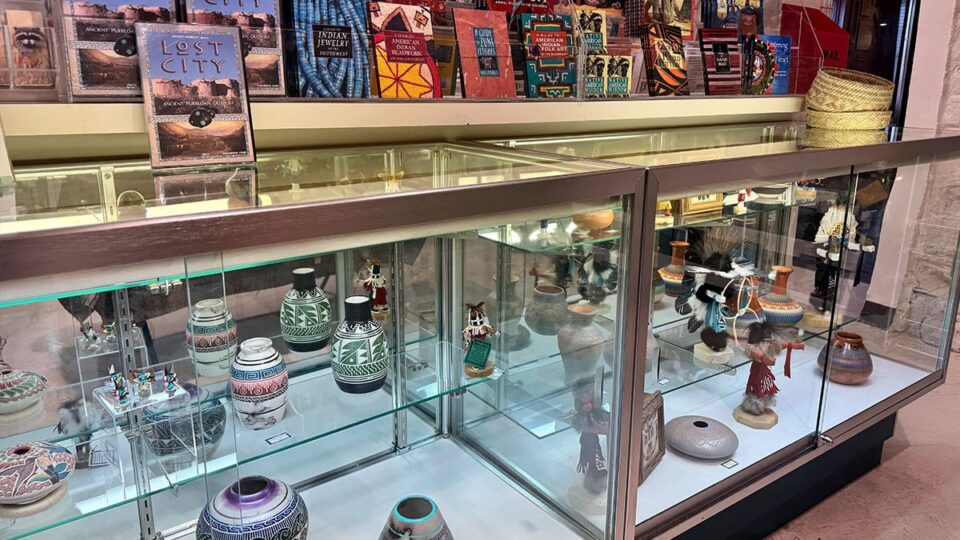
The museum says tours of the museum and grounds are available by request and generally take about an hour. There is also a picnic area, accessible public restrooms, ample parking for cars, buses, and RVs, and a wheelchair available for use inside the museum.
We would not make the drive to Overton just to rush through the building and immediately turn around. The museum works particularly well as part of a longer Moapa Valley day. Lake Mead and Valley of Fire are both natural additions, depending on your route and how much time you have.
For something much more strenuous around the Lake Mead side of the region, Gold Strike Hot Springs offers almost the opposite experience: a demanding canyon route instead of a quiet museum visit.
You can also browse more Everyday.Vegas road trips and day trips when planning a full day outside the valley.
Why We Think the Lost City Museum Is Worth the Drive
The Lost City Museum gave us something we do not get from many Southern Nevada stops: a chance to see the region on a completely different timeline.
Between the archaeological site preserved inside the gallery, the artifacts recovered from surrounding sites, the reconstructed pueblos, and the story of the museum itself, a relatively small building carries a surprising amount of history.
It is quiet, straightforward, and easy to explore at your own pace. More importantly, it helps connect the desert around Overton with the generations of people who lived here long before the roads, reservoirs, and cities we recognize today.
Frequently Asked Questions
What are the current admission prices for the Lost City Museum?
Admission is currently $8 for adults and seniors 65 and older. Children 17 and under and museum members are admitted free.
What can you see inside the Lost City Museum?
The museum has three main exhibition galleries featuring archaeology and Southern Nevada history. Visitors can also see an actual archaeological site preserved within the Fay Perkins 1981 Gallery, along with artifacts recovered from sites around the Moapa Valley.
Does the Lost City Museum have outdoor exhibits?
Yes. Outdoor exhibits include reconstructed pueblos and a Native American pit house that help visitors visualize some of the building traditions represented in the museum's archaeological collections.
How long should you plan for a visit to the Lost City Museum?
An hour is a reasonable starting point for many visitors. The museum says requested tours of the museum and grounds generally take about an hour, although you may want more time if you enjoy reading exhibits closely.
What else can you visit near the Lost City Museum?
The museum works well as part of a Moapa Valley day trip. Valley of Fire State Park, Lake Mead National Recreation Area, and the town of Overton can all be combined with the museum depending on your route and available time.
Address:
721 South Moapa Valley Boulevard
, NV, 89040
Hours:
Monday: Closed
Tuesday - Friday: 8:30 AM - 4:30 PM
Saturday: 8:30 AM - 4:30 PM
Sunday: 8:30 AM - 4:30 PM
Phone:
(702) 397-2193
Admission:
$8 adults/seniors; free 17 and under.









TALK TO THE AUTHOR
If you’ve spotted something we missed, found a typo, or have any suggestions, we’d love to hear from you!