
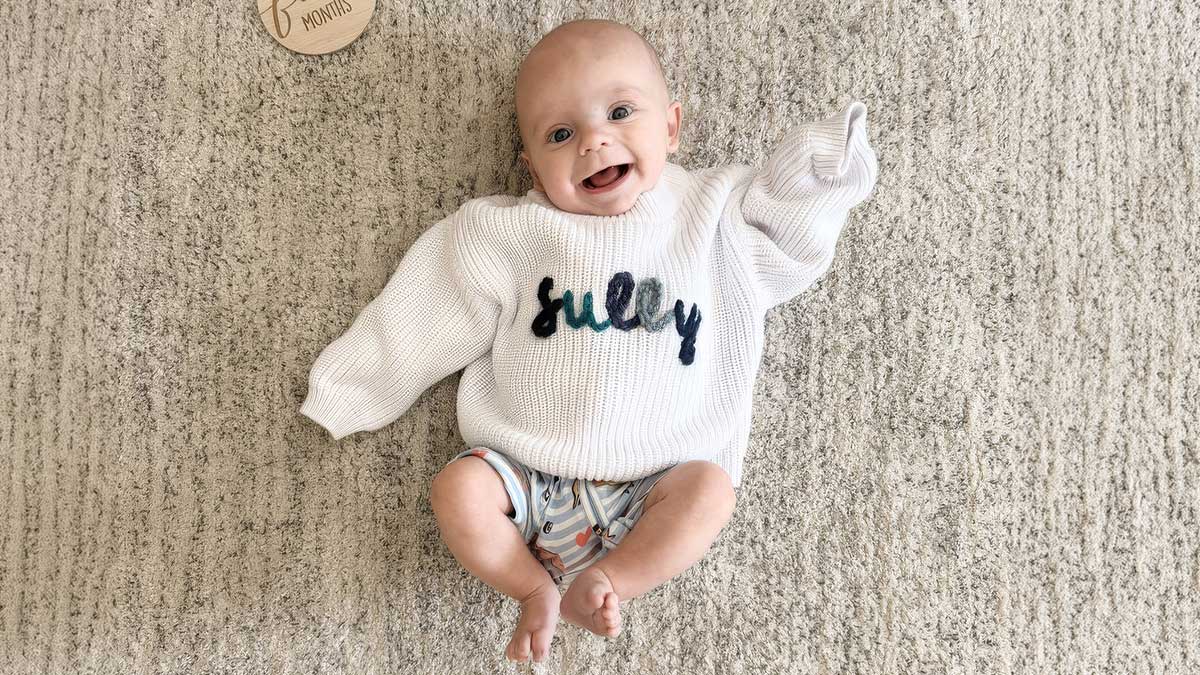
For Phoebe London, one of the most hopeful moments of her son’s first weeks was being told she could spend the night with him.
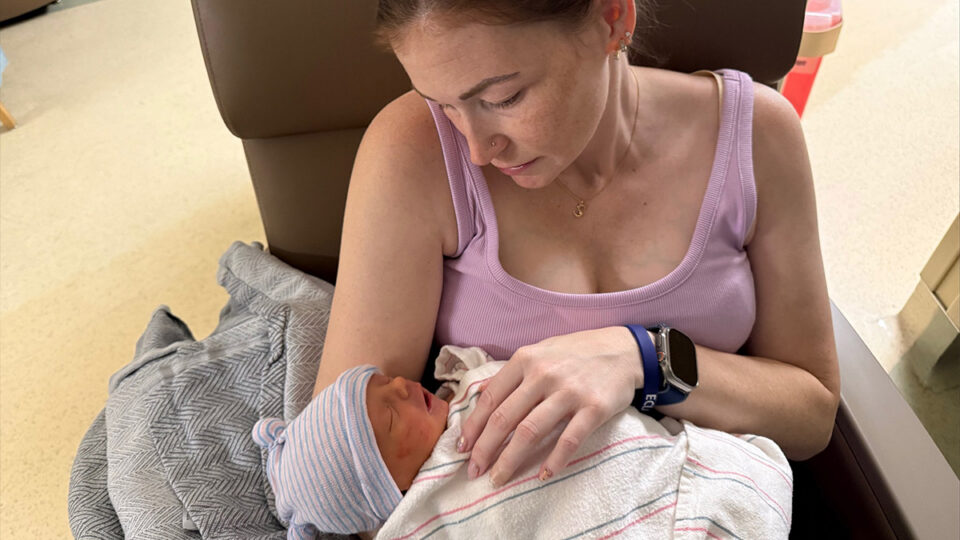
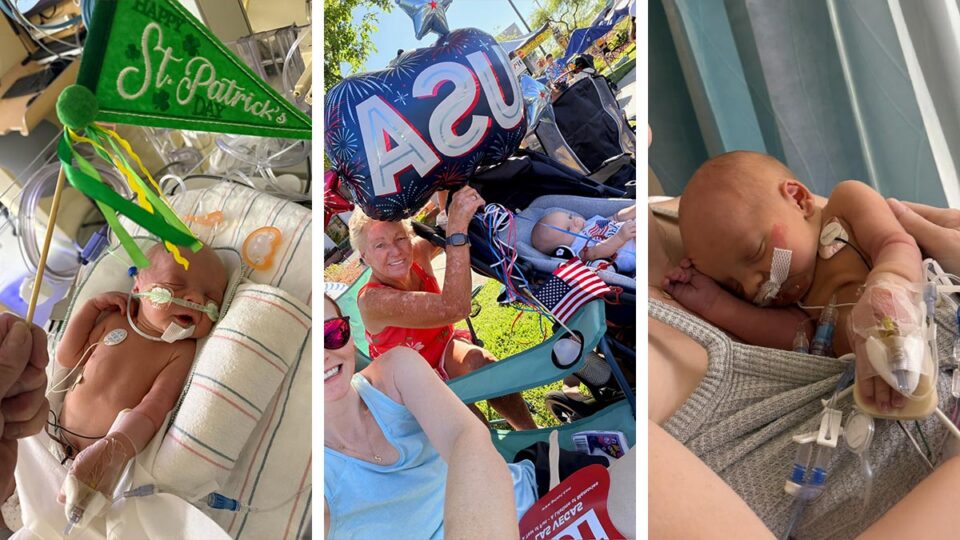
Sullivan was about two weeks old. He had already undergone major surgery, and he was beginning to eat the amounts his care team required. Being allowed to room in together at the hospital gave Phoebe a chance to picture what life with her baby might look like beyond the neonatal intensive care unit.
“He was able to start eating. He was eating the required amounts, and I was finally able to spend a night with him,” she recalled.
Today, Las Vegas baby Sullivan is six months old, with a smile his mom loves to share and a medical history she is still learning to navigate. His first months have included hospital stays, feeding challenges, and specialist appointments. Now, they also include an entry in the 2026 Baby of the Year competition.
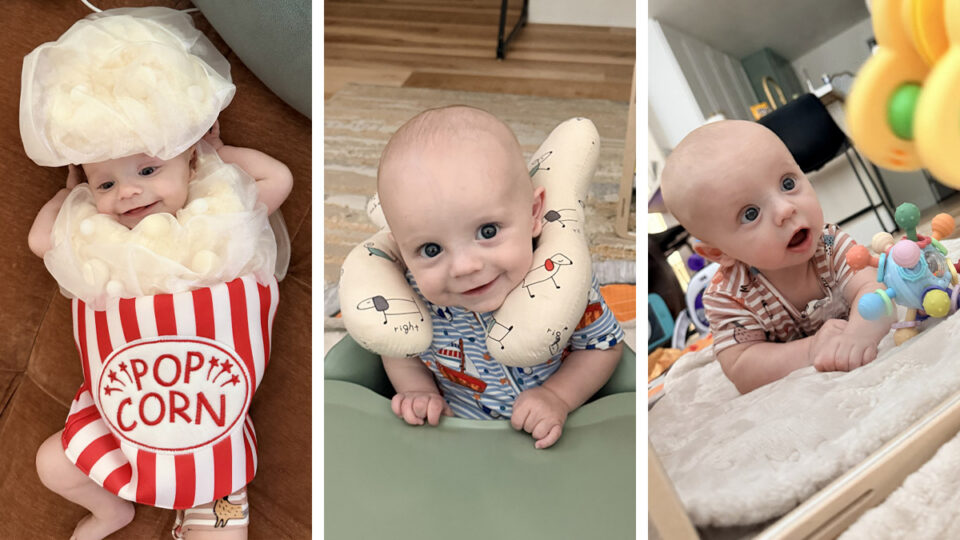
When Phoebe spoke with Everyday.Vegas for this Local Spotlight, she talked about what winning could mean for their family. But she also wanted people to understand something that matters well beyond a voting deadline: Sullivan has a diagnosis. It is not the whole of who he is.
Getting to Know Sullivan Beyond EA/TEF
The baby Phoebe describes is happy, easygoing, and quick to return to laughing, even after a difficult moment. Those everyday glimpses of his personality mean a great deal to a mom who spent his earliest days trying to understand what was happening to him.
To understand how far Sullivan has come, his story begins with a diagnosis Phoebe never expected.
Major Surgery at Just Three Days Old
Phoebe remembers the shock of seeing Sullivan turn blue a couple of hours after he was born and not knowing why. Soon, she was learning the name of a condition she had trouble even pronouncing: esophageal atresia with tracheoesophageal fistula, commonly shortened to EA/TEF.
The terms describe two related problems present at birth. In esophageal atresia, the esophagus, the tube that carries food from the mouth to the stomach, does not form a continuous passage. A tracheoesophageal fistula is an abnormal connection between the esophagus and the windpipe.
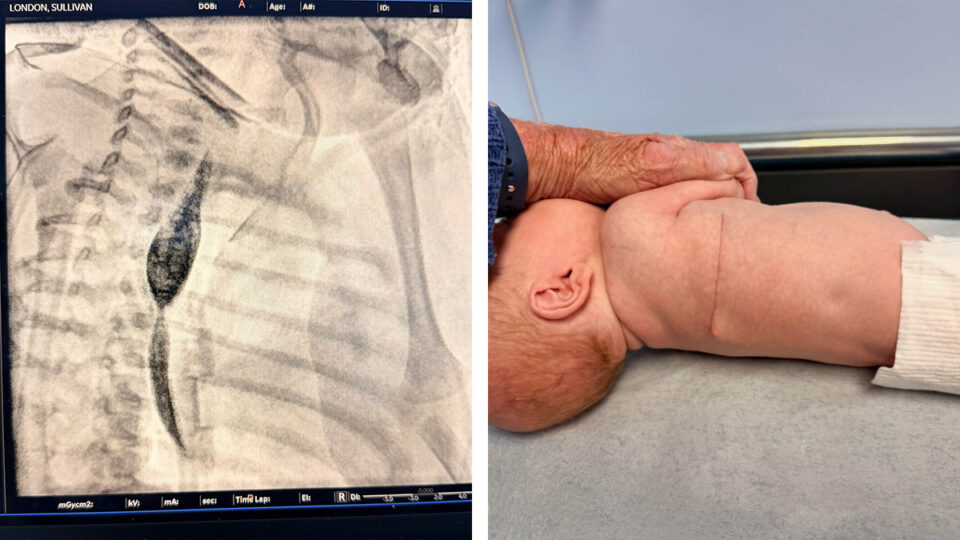
According to the Centers for Disease Control and Prevention, the conditions often occur together. Esophageal atresia is rarely diagnosed during pregnancy and is most commonly detected after birth.
For Phoebe, those unfamiliar words quickly became the center of her world.
Sullivan underwent surgery on March 19, when he was just three days old. Learning what the diagnosis meant, understanding the scale of the operation, and then watching him go through it were among the most frightening experiences of his first six months.
By the time Phoebe could stay overnight with him at around two weeks old, eating enough had become an important milestone. He had already come through surgery. Now, she could begin imagining the ordinary moments they might share at home.
“So I could almost picture, you know, what our life was going to look like from here on out,” she said.
Why Surgery Was Only the Beginning
At first, Phoebe thought the operation would mark the end of the medical crisis. Doctors would repair the problem, Sullivan would come home, and she would get on with raising her baby.
“Even I thought, okay, it’s fixed. Now we can go home,” she said.
Instead, his first six months have brought continuing feeding difficulties, hospital stays, and esophageal dilations. At the time of our interview, Phoebe said vomiting had become more frequent since early August. Weight gain was also a concern, and keeping track of information across his different specialists added another responsibility.
That ongoing care is an important part of understanding EA/TEF. After repair, some children can experience narrowing where the esophagus was surgically connected, which may make swallowing more difficult. Esophageal dilation can be used to help widen that narrowed area.
For Phoebe, the distinction between having surgery and being finished with treatment has been one of the hardest adjustments.
“It’s not like he was born with this thing that can just be fixed with one surgery and we can move on,” she explained.
She wants others to understand that Sullivan’s care did not end when the operation was over. There are still feeding challenges to work through, questions to ask, and appointments to manage as he grows.
A repair and an ongoing need for medical care can both be part of his story.
Finding Support in Las Vegas
Before becoming Sullivan’s mom, Phoebe had already spent years around children as an elementary school teacher, teaching both second and third grade. That background is another small piece of who she is outside the medical journey that has defined so much of Sullivan’s first six months.
Amid the appointments and uncertainty, Phoebe has found reassurance in people who listen without making her feel that she is failing her son.
She spoke warmly about his pediatrician, Dr. John Lepore at Kidfixers Pediatrics, describing his patience with Sullivan’s growth and his understanding of the effort going into keeping him well.
“I’ve never once felt judged by him or like I’m doing something wrong,” she said.
That understanding has mattered. Phoebe knows Sullivan’s growth has not looked like that of some of her friends’ babies. Having a doctor who recognizes his circumstances, rather than making her feel judged by a comparison, has been a source of comfort.
Support has also come from other mothers. Through New Mom School, Phoebe has connected with a group of parents she can talk to about the everyday questions that come with a new baby.
That kind of community support can make an enormous difference when a family is navigating something unfamiliar. It is something that shows up in many stories across Las Vegas, whether it is families supporting one another or local figures using their platform to help children in need, like Kelsey Plum’s work with Las Vegas foster kids.
Their children do not necessarily share Sullivan’s diagnosis. They do share stages of babyhood, conversations about development, and the uncertainty of figuring things out as they go.
When Phoebe first brought Sullivan home, being responsible for him outside the hospital felt frightening. Hearing that her friends had also felt overwhelmed when they brought their babies home helped her feel less alone.
The medical challenges were still there. So were the ordinary experiences of becoming a mom, and having people to share those experiences with gave her comfort.
The Happy Baby Behind the Medical History
Ask Phoebe about Sullivan now, and the conversation is not only about feeding or follow-up care. She talks about how happy he is, how often people comment on his easygoing personality, and how quickly he can return to laughing after a difficult moment.
She is not suggesting that his symptoms have disappeared. She is describing the baby she knows alongside them.
“The fact that people tell me all the time that he is such a happy baby just makes me so proud of him,” she said.
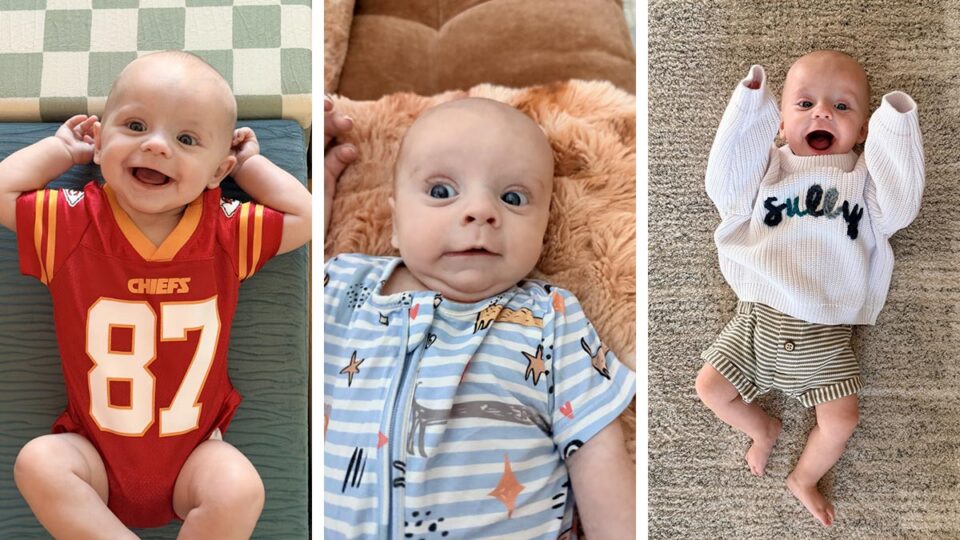
Phoebe remembers how difficult it was to imagine life beyond the NICU. Now, she gets to watch Sullivan enjoy a life that once felt hard to picture.
“His first days look nothing like I imagined they would, but his days now look nothing like I imagined they would when we were in the NICU.”
Phoebe London, Sullivan’s mom
That contrast is at the heart of what she wants people to see. His first days were frightening. His care is still complicated. Neither of those things takes away from the joy of getting to know him.
He is still a six-month-old baby with a personality all his own.
Stories like Sullivan’s are also a reminder of why local stories matter. Behind the medical terminology, milestones, and difficult days are real Las Vegas families finding ways to keep moving forward.
Why Phoebe Entered Baby of the Year
The competition began with a practical thought. Phoebe saw an advertisement online and realized that the prize money could help with Sullivan’s hospital bills.
She decided to enter him. As the competition continued, she began thinking about what a wider audience might mean for families who know EA/TEF, and for people who have never heard of it.
Colossal’s 2026 Baby of the Year competition offers a grand prize that includes $25,000, an advertising campaign with The Honest Company, and an advertorial feature in Variety. The winner is selected through public voting.

For Phoebe, the possibility of financial relief is real. So is the opportunity to bring attention to a condition that arrived in her life without warning.
She hopes a wider audience might eventually mean more interest in research, better answers for families, and fewer parents learning about EA/TEF for the first time after birth.
She is clear that she is a mom at the beginning of that learning process, not a medical expert. Her hope comes from wanting other families to feel less blindsided than she did.
Even before any competition result, sharing Sullivan’s experience is a way to reach someone who may be facing a similar beginning.
How Las Vegas Readers Can Support Sullivan
Readers can visit Sullivan’s official Baby of the Year profile to view his entry and available voting options.
Under the competition rules, eligible supporters can cast one free vote every 24 hours after completing the organizer’s verification process. A donation is not required to vote.
The competition also benefits Baby2Baby, which provides diapers, clothing, and other necessities to children living in poverty. Optional donation votes go to DTCare, which grants funds to Baby2Baby after competition fees and costs are deducted.
Those donations do not go directly toward Sullivan’s medical bills. The potential help for his family would come from winning the cash prize.
Phoebe also hopes people will share his story beyond the competition. Someone reading may have a child with the same diagnosis, know a family navigating a hospital stay, or simply recognize the uncertainty she describes.
“I’m really hoping that can help people to feel supported, even just by knowing that someone else out there went through something similar,” she said.
That idea of showing up for others is something Everyday.Vegas has seen across the valley. Local figures like Henry Sneed have built legacies around compassion and helping their community, and sometimes support begins with something as simple as making another family feel seen.
For Phoebe, support from Las Vegas would also be a chance for others to see what she sees every day: a little boy who has been through a difficult beginning and still finds plenty to smile about.
What She Wants Another Parent to Hear
When asked what she would tell a parent who had just received the same diagnosis, Phoebe spoke about finding support and seeking another medical opinion when questions remain. She also described learning which sources of support helped her and which left her more frightened.
Some online groups had been overwhelming enough that she stepped away. Conversations with other moms, on the other hand, helped her see the parts of Sullivan’s life that were not governed by his feeding difficulties.
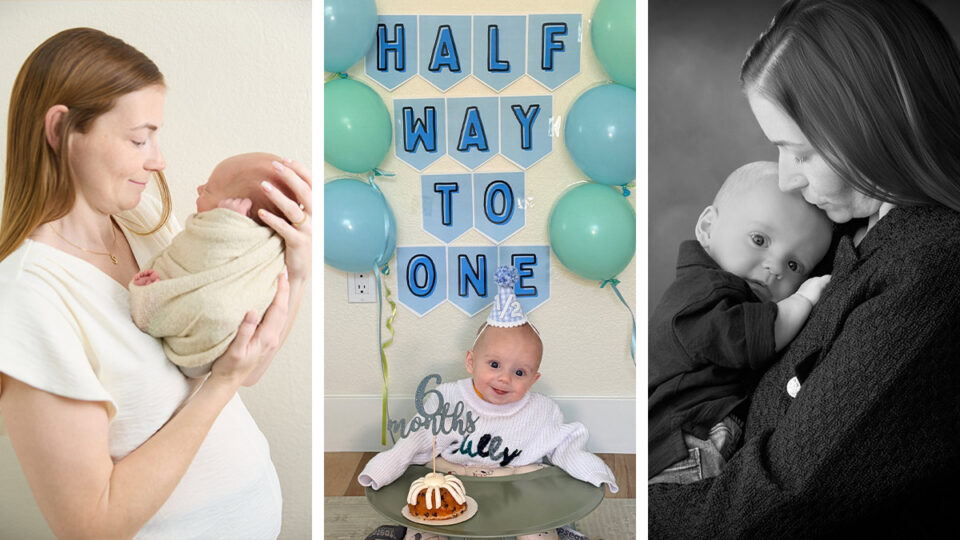
There is more medical care to navigate as Sullivan grows. There is also a six-month-old to get to know, celebrate, and enjoy.
Phoebe’s advice to another parent comes back to that distinction.
Vote Sullivan For Baby Of the Year“I would tell them not to let the diagnosis define their baby, you know, let their baby be their baby, and it’s just a part of them. It’s not who they are.”
Phoebe London, Sullivan’s mom












TALK TO THE AUTHOR
If you’ve spotted something we missed, found a typo, or have any suggestions, we’d love to hear from you!